
 +1 (239) 671-1003
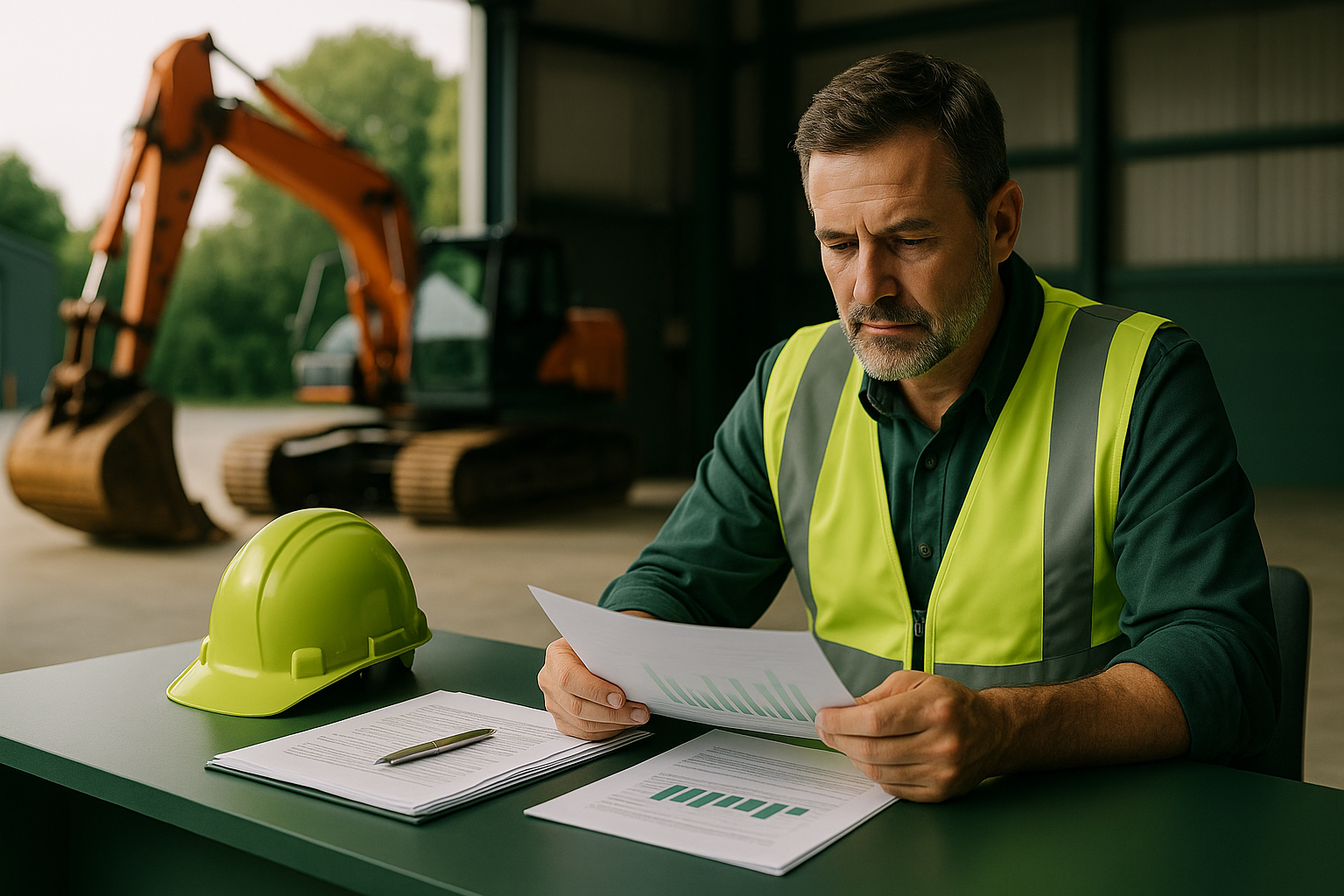
Construction equipment financing helps contractors and construction businesses acquire heavy machinery and jobsite equipment while spreading the cost over time instead of tying up cash in one purchase. It is commonly used for new or used equipment such as excavators, skid steers, compact track loaders, loaders, pavers, trenchers, lifts, trailers, and other revenue-producing assets needed to bid, mobilize, and complete work. Structure Financing helps businesses evaluate construction equipment financing options based on the equipment, seller, business profile, and intended use.

How Construction Equipment Financing Works
Construction equipment financing is designed for businesses that need heavy equipment, machinery, or titled jobsite assets to operate and grow. Instead of paying the full purchase price upfront, the business uses construction equipment financing to acquire the equipment and repay over time under a loan or lease-style structure.
This can help preserve working capital for labor, mobilization, fuel, insurance, materials, and other construction operating costs while putting the equipment to work on active or upcoming jobs.
Structure Financing works with businesses seeking construction equipment financing for dealer purchases, replacement units, expansion equipment, and certain private-party sales, with options evaluated around the equipment type, purchase details, business cash flow, and overall credit profile.
What Construction Equipment Can Be Financed?
Earthmoving equipment
Excavators, mini excavators, backhoes, bulldozers, graders, compact track loaders, skid steers, and wheel loaders.
Paving and road equipment
Pavers, rollers, compactors, milling machines, sweepers, asphalt equipment, and roadwork support units.
Concrete equipment
Concrete mixers, pumps, finishing equipment, saws, grinders, and support machinery used in concrete work.
Lifting and access equipment
Boom lifts, scissor lifts, telehandlers, forklifts, cranes, and other lifting or access equipment.
Utility and underground equipment
Trenchers, boring equipment, support trailers, vacuum units, and machinery used for pipe, water, sewer, and conduit work.
Trailers and support assets
Dump trailers, equipment trailers, support trucks, attachments, and other jobsite assets tied to equipment use.
Construction Equipment Financing for New and Used Equipment
Construction equipment financing can be used for both new and used equipment purchases. Many contractors choose used construction equipment financing when equipment availability, project timing, or lower acquisition costs make a used machine more practical than ordering new equipment.
Whether the equipment is purchased from a dealer, auction source, rental fleet, or qualified private seller, financing options may be reviewed based on the equipment type, age, condition, hours, seller details, and overall transaction structure.
Popular Construction Equipment Financing Requests
Excavator financing
Finance excavators, mini excavators, and earthmoving equipment used in excavation, utility, grading, trenching, and site development work.
Skid steer financing
Acquire skid steers and compact track loaders used across construction, landscaping, grading, loading, and site preparation projects.
Loader financing
Finance wheel loaders, compact loaders, backhoe loaders, and material-handling equipment for active jobsites.
Heavy equipment financing
Support bulldozers, graders, pavers, trenchers, cranes, and other large construction assets.
Trailer financing
Finance dump trailers, equipment trailers, tilt trailers, and other hauling assets used to move equipment or materials.
Concrete equipment financing
Acquire mixers, pumps, saws, finishing tools, and concrete support equipment used on residential, commercial, or municipal projects.
Construction Equipment Financing vs. Construction Equipment Leasing
Both financing and leasing can help contractors acquire equipment, but they often serve different objectives.
| Feature | Equipment Financing | Equipment Leasing |
|---|---|---|
| Ownership | Business works toward ownership | Equipment is leased for a period of time |
| Best fit | Long-term equipment use | Equipment turnover and upgrade flexibility |
| Common use | Core fleet equipment | Shorter lifecycle or changing equipment needs |
| Business objective | Asset ownership | Flexibility and equipment refresh |
Construction Equipment Loan vs. Construction Equipment Lease
A construction equipment loan is often the better fit when the business wants to purchase the machine and keep it as a long-term asset. In many cases, the equipment itself helps support the financing, and the business makes periodic payments toward ownership.
A lease-style structure may make sense when conserving upfront cash, managing equipment turnover, or keeping upgrade flexibility is more important than immediate ownership. The right structure depends on how long the equipment will be used, the age and condition of the machine, the expected job pipeline, and whether the business wants to own, refresh, or rotate equipment over time.
If the need is not tied directly to equipment acquisition, a broader business loan or business line of credit may be more appropriate for non-equipment expenses.
What Lenders May Review for Construction Equipment Financing
Construction equipment financing is typically reviewed based on both the business and the equipment being acquired. Lenders and finance providers may look at the machine itself, the purchase source, and the operating strength of the company requesting financing.
- Time in business and contractor operating history
- Business revenue, bank activity, and current cash flow
- Owner credit profile and existing debt obligations
- Equipment quote, invoice, serial information, and seller details
- Whether the unit is new, used, dealer-sold, privately sold, or already owned
- Equipment age, condition, mileage or hours, and expected useful life
- Down payment expectations, collateral support, and overall transaction size
- How the equipment supports contracts, crew utilization, or expansion plans
Common Ways Businesses Use Construction Equipment Financing
Add equipment for awarded work
Use construction equipment financing when new contracts require additional excavation, grading, paving, utility, lifting, or hauling capacity.
Replace aging heavy machinery
Upgrade older units that are creating downtime, repair exposure, or productivity issues on active jobsites.
Preserve cash for operations
Spread the cost of high-value equipment over time so the business can keep liquidity available for payroll, mobilization, materials, insurance, and project execution.
Acquire used equipment strategically
Finance a used machine when a lower purchase price or faster availability makes more sense than ordering new equipment.
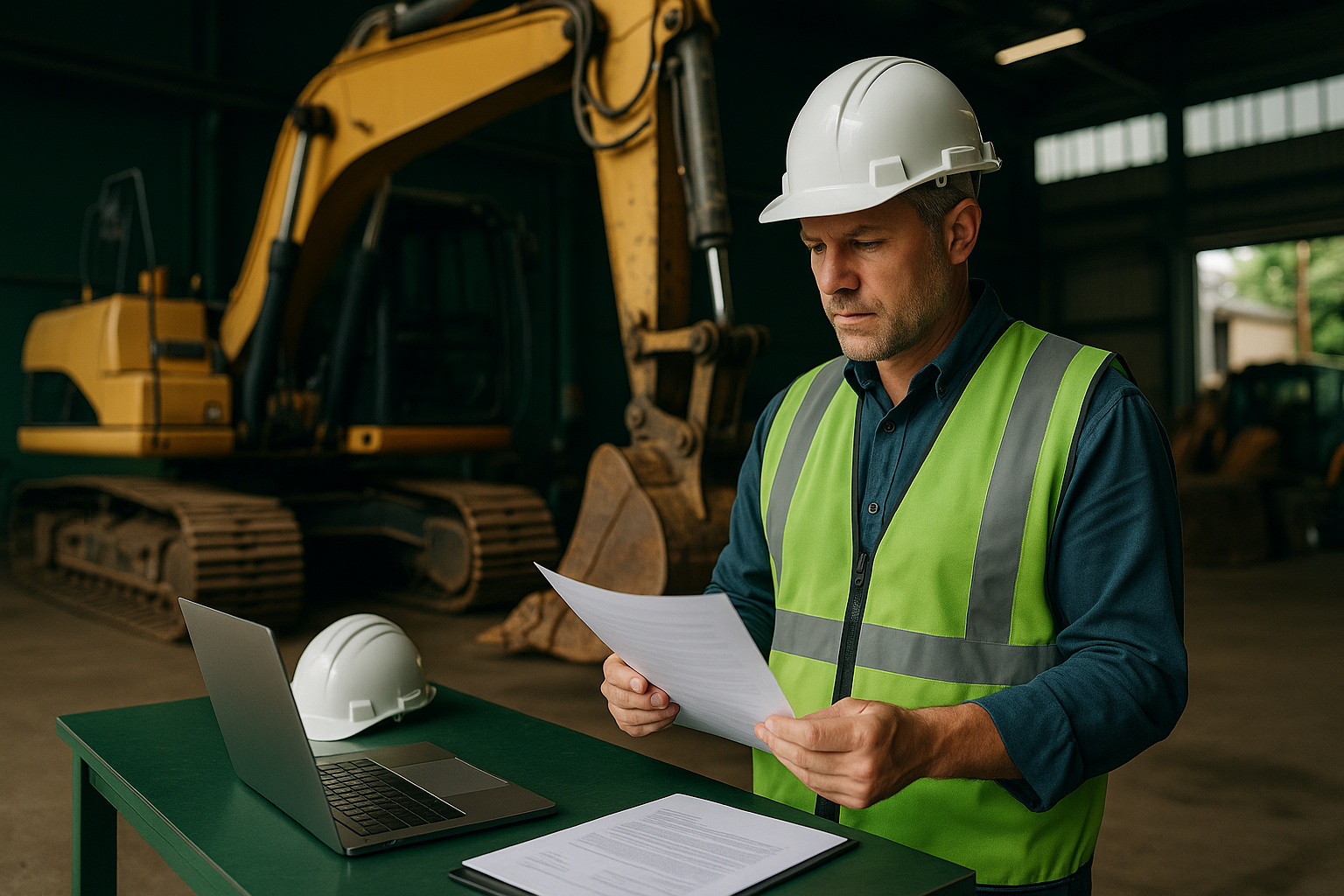
Construction Equipment Financing Use Cases by Contractor Type
Excavation and site work contractors
Common requests include excavators, mini excavators, trenchers, skid steers, compact track loaders, loaders, and grading equipment used for clearing, trenching, and earthmoving.
Paving and road contractors
Construction equipment financing may support pavers, rollers, compactors, milling equipment, sweepers, and support trailers used to keep paving crews productive.
Concrete contractors
Businesses may finance mixers, pumps, finishing tools, saws, and handling equipment needed for placement, forming, and finishing operations.
Utility and underground contractors
Typical equipment includes trenchers, backhoes, excavators, vacuum or support units, trailers, and other machinery tied to pipe, water, sewer, and conduit work.
Related Funding Pages
Frequently Asked Questions
What is construction equipment financing?
Construction equipment financing is a commercial funding solution used to purchase or lease heavy equipment and machinery for construction operations. It helps businesses acquire needed equipment while paying over time instead of making one large upfront purchase.
What types of construction equipment can be financed?
Common examples include excavators, backhoes, skid steers, compact track loaders, bulldozers, loaders, graders, trenchers, pavers, rollers, lifts, telehandlers, cranes, dump trailers, and other business-critical construction machinery.
Can you finance used construction equipment?
Yes, used construction equipment can often be financed. Eligibility may depend on the equipment age, condition, hours, seller type, and overall transaction details.
Can I finance equipment purchased from a private seller?
Some private-party construction equipment purchases may be financeable depending on the seller, equipment details, documentation, title status, and lender requirements.
What credit score is needed for construction equipment financing?
Credit requirements vary by lender and transaction. Providers may also review business revenue, cash flow, time in business, equipment value, seller type, and overall file strength.
Can startups finance construction equipment?
Some newer contractors may qualify depending on owner credit, equipment type, down payment, business plan, available contracts, revenue activity, and overall application strength.
Is a down payment required for construction equipment financing?
Some construction equipment financing transactions may require a down payment, while others may not. This depends on factors such as equipment type, whether it is new or used, seller type, and the strength of the business profile.
What is the difference between equipment financing and leasing?
Equipment financing is often used when the business wants to work toward ownership, while leasing may be reviewed when flexibility, lower upfront cost, or equipment turnover is more important.
What documents are usually needed to apply?
Typical items may include an equipment quote or invoice, business bank statements, basic business information, ownership details, seller information, and in some cases tax returns or financial statements.
Will applying guarantee approval?
No. Approval depends on business details, equipment details, seller information, documentation, lender requirements, and overall application strength.
Speak to an Advisor About Construction Equipment Financing
If your business is evaluating construction equipment financing, share the equipment type, whether it is new or used, who is selling it, and how it will be used in the business. Structure Financing can review loan and lease-style options for contractor equipment purchases and help you understand what documentation may be needed for the next step.
Apply for Equipment FinancingContact Structure Financing if you would like to talk through construction equipment financing before applying.
Reviewed by:
Daniel Etheridge
Senior Business Funding Specialist