
 +1 (239) 671-1003
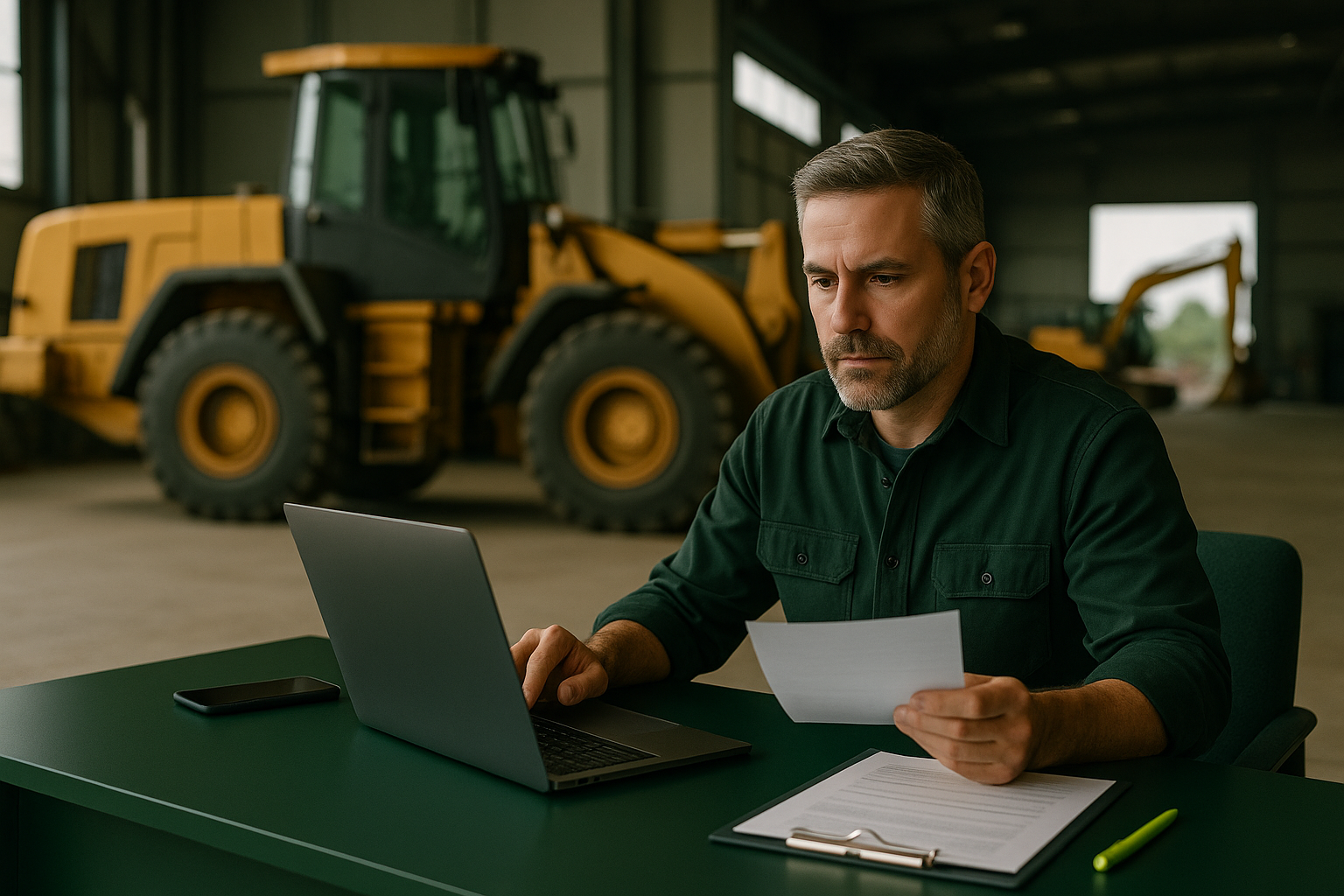
Heavy equipment financing helps businesses purchase or refinance essential machinery by spreading the cost over time instead of tying up large amounts of cash upfront. Structure Financing works with businesses seeking financing for excavators, loaders, bulldozers, skid steers, cranes, forklifts, tractors, trailers, attachments, and other equipment used in field operations, construction, agriculture, landscaping, material handling, and production.

Heavy Equipment Financing for Contractors and Businesses
Heavy equipment financing is designed for businesses that need to purchase or refinance high-value machinery used in daily operations. Instead of paying the full cost upfront, the business finances the equipment over time, often with the equipment itself forming a key part of the transaction structure.
This can help preserve working capital while adding capacity, replacing aging machines, supporting larger contracts, or reducing dependence on rented equipment. Heavy equipment financing is commonly used in construction, excavation, agriculture, landscaping, trucking support, warehousing, and industrial operations where uptime, reliability, and equipment fit directly affect revenue.
Businesses that need a broader solution can also review our equipment financing page for additional asset categories beyond heavy equipment.
Heavy Equipment Financing Requirements
Heavy equipment financing requirements vary by lender, equipment type, transaction size, and business profile. Providers commonly review both the business applying and the equipment being purchased or refinanced.
Business history
Time in business, industry, company structure, operating history, and how the equipment supports jobs, contracts, production, or revenue.
Revenue and cash flow
Monthly revenue, annual revenue, bank activity, existing obligations, and the business’s ability to support equipment payments.
Credit profile
Owner credit, business credit, borrowing history, existing debt, and overall application strength may be reviewed.
Equipment details
Quote, invoice, seller information, make, model, year, serial number, hours, condition, purchase price, and intended business use.
Some heavy equipment financing requests can move more smoothly once equipment details, seller information, and required documentation are available. Review standards vary by provider and transaction type, so this should not be treated as a promise of approval, rates, terms, or funding amounts.
What Heavy Equipment Can Be Financed?
Earthmoving equipment
Excavators, mini excavators, bulldozers, backhoes, wheel loaders, compact track loaders, and machines used for site work and material movement.
Compact equipment
Skid steers, mini excavators, compact loaders, trenchers, stump grinders, and smaller machines used by contractors and service businesses.
Lifting and material handling
Forklifts, telehandlers, cranes, boom lifts, scissor lifts, and other equipment used to move materials or access elevated work areas.
Trailers and attachments
Dump trailers, equipment trailers, buckets, forks, grapples, augers, breakers, grading attachments, and related support equipment.
Used Heavy Equipment Financing
Many businesses purchase used heavy equipment to manage costs while still acquiring reliable machinery. Used heavy equipment financing may be available depending on the machine age, condition, hours, seller, equipment value, and overall business profile.
A strong used equipment request usually includes clear specifications, seller information, purchase price, photos or inspection details when available, and a business case showing how the equipment will be used. For used heavy equipment financing, additional attention may be given to condition, age, hours, maintenance history, inspection results, seller type, valuation, and remaining useful life.
Heavy Equipment Brands Commonly Financed
Heavy equipment financing requests may involve many major manufacturers depending on the industry, machine type, and seller. Businesses commonly seek financing for equipment from well-known construction, agricultural, compact equipment, and material handling brands.
Construction equipment brands
Caterpillar, Komatsu, CASE, John Deere, Volvo, Hitachi, Doosan, Liebherr, and other heavy machinery manufacturers.
Compact equipment brands
Bobcat, Kubota, Takeuchi, New Holland, JCB, Yanmar, ASV, Wacker Neuson, and other compact equipment brands.
Lifting equipment brands
Genie, JLG, Skyjack, Toyota, Hyster, Yale, Crown, Clark, and other lift and material handling equipment manufacturers.
Agricultural equipment brands
John Deere, Kubota, New Holland, Case IH, Massey Ferguson, Mahindra, and other agricultural machinery brands.
Heavy Equipment Loan vs. Heavy Equipment Lease
A heavy equipment loan is often considered when the business wants to purchase the machine and keep it as a long-term operating asset. A heavy equipment lease may be worth reviewing when equipment turnover, upgrade flexibility, or a different ownership path is more important than immediate long-term ownership.
| Feature | Heavy Equipment Loan | Heavy Equipment Lease |
|---|---|---|
| Ownership | Business typically owns the equipment after payoff | Depends on the lease structure |
| Best fit | Core equipment expected to stay in service for years | Equipment that may be upgraded, replaced, or used for a shorter cycle |
| Upfront cost | May require a down payment | May offer lower upfront cost depending on structure |
| Use case | Long-term fleet assets and revenue-producing machines | Specialized equipment needs or flexibility around replacement planning |
Common Ways Businesses Use Heavy Equipment Financing
Acquire equipment for active jobs
Add machinery needed for current projects, awarded contracts, seasonal demand, or operational bottlenecks where equipment access directly affects output.
Replace aging or unreliable machines
When repairs, downtime, or poor performance disrupt schedules, replacement equipment can support uptime, labor efficiency, and customer commitments.
Expand fleet capacity
Add another excavator, loader, forklift, tractor, trailer, or compact machine so the business can handle more crews, acreage, jobs, or locations.
Preserve cash for operations
Financing can help avoid putting all available capital into one equipment purchase, preserving flexibility for labor, fuel, materials, maintenance, and job execution.
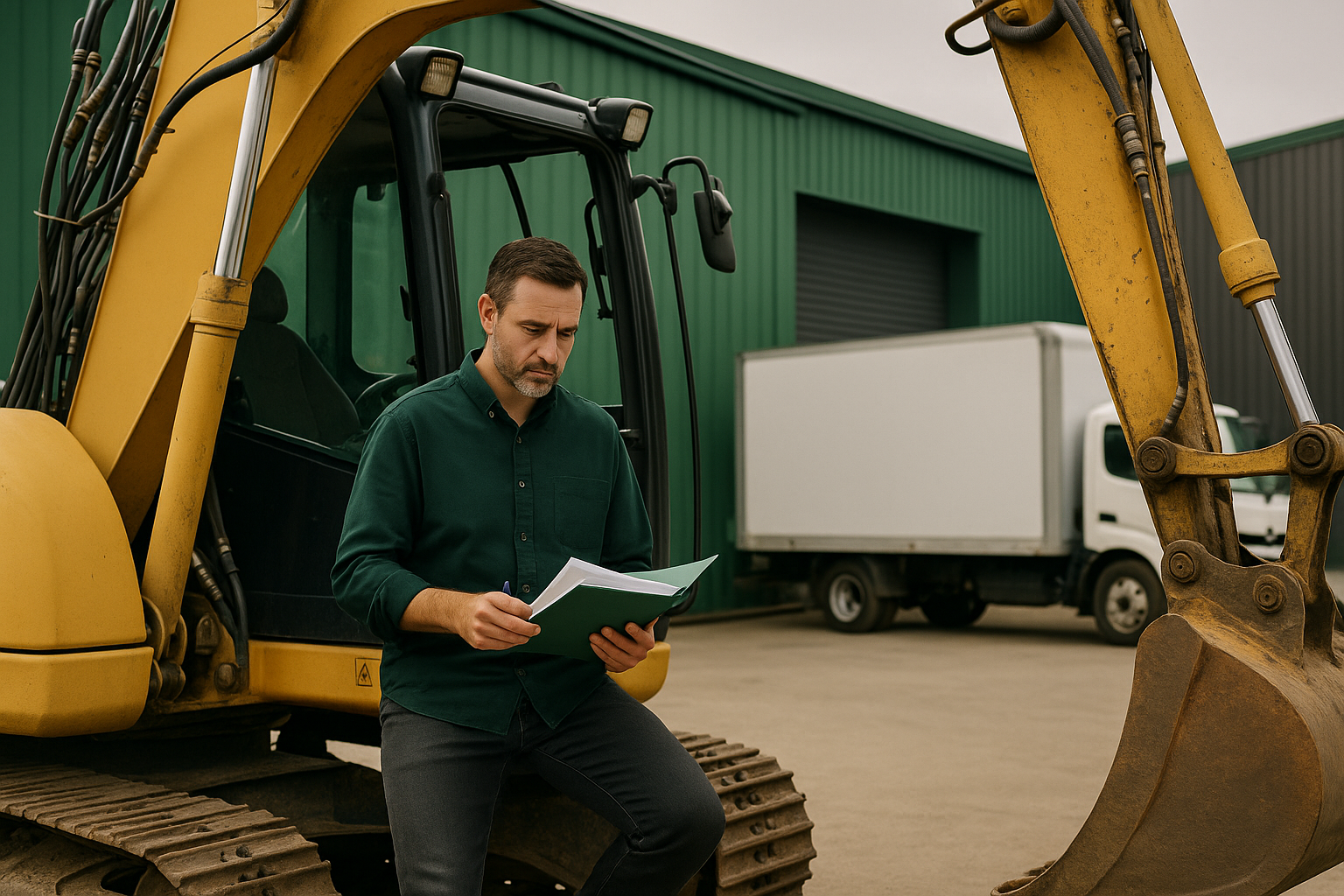
Heavy Equipment Financing Use Cases by Industry
Construction and excavation
Financing for excavators, bulldozers, loaders, skid steers, compact track loaders, and machines tied to earthwork, site prep, grading, and utility installation.
Agriculture and land services
Financing for tractors, attachments, loaders, trailers, and support equipment used for planting, harvesting, feeding, clearing, and property management.
Warehousing and material handling
Financing for forklifts, telehandlers, cranes, lifts, and handling equipment used for production flow, storage operations, shipping support, and plant productivity.
Landscaping and specialized operations
Financing for trailers, loaders, compact machinery, skid steers, mini excavators, and job-critical assets used by landscaping, hauling support, and field service businesses.
Details That Help a Heavy Equipment Request Move Smoothly
Clear equipment and seller information helps reduce back-and-forth during review.
- Equipment type, make, model, and year
- Purchase price or seller quote
- Dealer, vendor, auction, or seller information
- New or used equipment details
- Machine hours, mileage, serial number, or condition when applicable
- How the equipment will be used in the business
- Whether attachments, delivery, inspection, or related costs are included
Dealer, Vendor, Auction, and Private Seller Purchases
Heavy equipment purchases may involve dealers, manufacturers, auction sources, resellers, or private sellers. Structure Financing can help review the transaction details and documentation needed to support the financing request.
Dealer purchases are often straightforward because quotes, invoices, and equipment details are usually available. Private-party, auction, and used equipment purchases may require additional documentation depending on the machine, seller, condition, and transaction structure.
Heavy Equipment Financing vs. General Equipment Financing
Heavy equipment financing is a focused type of equipment financing for larger machinery, construction equipment, compact equipment, trailers, and attachments. These requests often involve higher-value assets, used machinery considerations, seller documentation, equipment condition, and expected business use.
If your business needs broader working capital in addition to equipment, you may also want to review business loans or a business line of credit.
Related Heavy Equipment Financing Pages
Frequently Asked Questions
What is heavy equipment financing?
Heavy equipment financing is a commercial funding solution used to purchase or refinance machinery such as excavators, loaders, bulldozers, forklifts, tractors, cranes, and trailers while spreading the cost over time.
What types of heavy equipment can be financed?
Eligible equipment often includes construction machinery, agricultural equipment, forklifts, cranes, telehandlers, tractors, trailers, attachments, and other heavy-duty assets used directly in business operations.
Can you finance used heavy equipment?
Yes, used heavy equipment financing may be available, but review often depends on the machine’s age, condition, hours, valuation, seller type, and remaining useful life.
Can startups get heavy equipment financing?
Some newer businesses may qualify depending on credit profile, available cash, equipment type, seller details, and overall transaction strength.
What credit score is needed for heavy equipment financing?
Credit requirements vary by lender, equipment type, transaction size, and business profile. Providers may review owner credit, business credit, revenue, time in business, equipment value, and cash flow together.
Is a down payment required for heavy equipment financing?
A down payment may be requested depending on the equipment, transaction size, credit profile, business strength, seller, and overall application.
Is heavy equipment financing different from leasing?
Yes. Heavy equipment financing typically supports ownership of the equipment over time, while leasing may offer a different structure for businesses prioritizing flexibility, upgrades, or an alternate ownership path.
Can attachments be included with heavy equipment financing?
Attachments may be included in some requests, especially when they are part of the same machine package or support the same business use.
Can I finance heavy equipment from a private seller?
Some financing programs may consider private-party purchases depending on documentation, seller details, machine condition, and transaction structure.
Can auction equipment be financed?
Auction equipment may be reviewed in some cases depending on the equipment details, seller documentation, timing, condition, and overall transaction structure.
Can heavy equipment financing help preserve working capital?
Yes. By financing the equipment instead of paying the full purchase price upfront, businesses may keep more cash available for labor, fuel, repairs, materials, and project execution.
How long does heavy equipment financing approval take?
Timing varies by request, lender, documentation, and transaction size. A clear quote, seller details, equipment specs, and complete business information can help the review process move more efficiently.
Get Heavy Equipment Financing Options
Whether you need an excavator, skid steer, loader, lift, trailer, tractor, attachment, or another piece of heavy equipment, Structure Financing can review your request and discuss financing options that may fit your business goals.
Apply for Equipment FinancingContact Structure Financing if you would like to talk through a heavy equipment purchase before applying.
Reviewed by:
Daniel Etheridge
Senior Business Funding Specialist